
Overview
Hair transplant surgery is the only permanent solution for pattern hair loss, and when performed by a skilled surgeon, the results are natural, undetectable, and life-changing. At The Ferguson Clinic in Honolulu, Dr. John C. Ferguson, MD, FACS, performs both Follicular Unit Extraction (FUE) and Follicular Unit Transplantation (FUT) — the two gold-standard techniques in modern hair restoration — with the anatomical precision that comes from more than 25 years of surgical experience and five board certifications.
Dr. Ferguson’s primary board certification in Otolaryngology — Head and Neck Surgery gives him a uniquely relevant advantage in hair transplant surgery. The scalp is not a simple flat surface — it is a complex structure with variable skin thickness, blood supply patterns, nerve distribution, and hair growth angles that vary by region. Dr. Ferguson’s training focused on exactly this anatomy. His understanding of scalp vasculature, tissue handling, and wound healing translates directly into more precise graft harvesting, better graft survival, and more natural-looking results for hair transplant patients in Honolulu and throughout Hawaii.
Am I a Good Candidate?
You may be a good candidate for hair transplant surgery if you have male pattern baldness (androgenetic alopecia) with stable hair loss; female pattern hair loss with diffuse thinning; hair loss from scarring, trauma, or previous surgery; a receding hairline you wish to restore; and sufficient donor hair (typically from the back and sides of the scalp) to achieve meaningful coverage.
The best candidates have realistic expectations and understand that hair transplantation redistributes existing hair rather than creating new hair. During your consultation, Dr. Ferguson will evaluate your pattern and extent of hair loss, donor hair density and quality, scalp laxity and characteristics, and overall health to determine whether you are a good candidate and which technique — FUE, FUT, or a combination — will produce the best result for your specific situation.
The Procedure — What to Expect
Hair transplant surgery is performed at The Ferguson Clinic in Honolulu under local anesthesia with optional light sedation. Procedures typically last four to eight hours depending on the number of grafts transplanted.
Follicular Unit Extraction (FUE)
In FUE, individual follicular units (containing one to four hairs each) are harvested one at a time from the donor area using a small circular punch instrument. Each graft is then meticulously placed into a tiny recipient site in the thinning or balding area. FUE leaves no linear scar and is ideal for patients who prefer to wear their hair short.
FUE advantages include no linear scar in the donor area, shorter recovery time, less post-operative discomfort, and the ability to harvest grafts from the scalp and, in select cases, the body.
Follicular Unit Transplantation (FUT)
In FUT (also known as strip harvesting), a thin strip of hair-bearing skin is removed from the donor area at the back of the scalp. The strip is then divided under magnification into individual follicular units for transplantation. The donor site is closed with a single fine scar that is concealed by surrounding hair.
FUT advantages include the ability to harvest a larger number of grafts in a single session, potentially higher graft survival rates due to less handling of individual follicles, and suitability for patients requiring maximum coverage.
Graft Placement
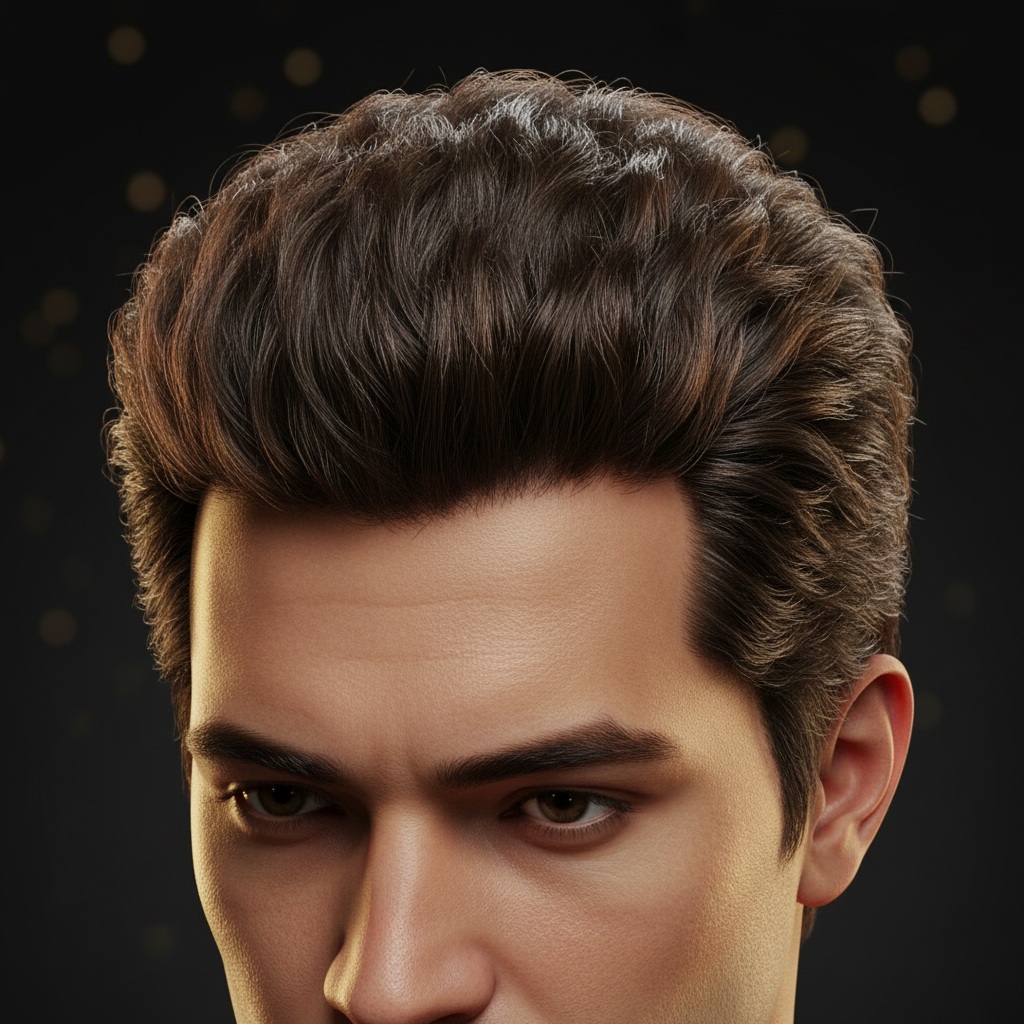
Regardless of the harvesting technique, graft placement is where artistry meets science. Dr. Ferguson creates recipient sites with meticulous attention to hair angle, direction, and density — mimicking natural hair growth patterns to produce results that look entirely natural. Hairline design is particularly critical, requiring a surgeon’s eye for facial proportions and aesthetics. Dr. Ferguson designs hairlines that appear natural now and will age appropriately over time.
Recovery and Results
Days 1–3: The transplanted grafts form tiny scabs at the recipient sites. Mild swelling of the forehead may occur and typically resolves within a few days. Discomfort is mild and managed with prescribed or over-the-counter medication. The donor area may be tender.
Days 7–14: Scabs from the recipient sites fall off naturally. The transplanted hairs shed — this is completely normal and expected. This “shock loss” phase means the transplanted hair follicles have entered a resting phase before beginning their new growth cycle.
Months 3–4: New hair growth begins to emerge from the transplanted follicles. Initial growth may be fine and wispy.
Months 6–9: Significant new hair growth is visible. Hair becomes thicker and more robust. Patients begin to see meaningful improvement in coverage and density.
Months 12–18: Final results are fully established. Transplanted hair grows naturally, can be cut, colored, and styled like the rest of your hair, and — because it comes from genetically resistant donor areas — is permanent.
Frequently Asked Questions
Is hair transplant surgery permanent?
Yes. Transplanted hair comes from the donor area at the back and sides of the scalp, where hair is genetically resistant to the hormones that cause pattern baldness. Once transplanted, these follicles retain their resistance and continue to grow permanently in their new location.
Will my hair transplant look natural?
When performed by an experienced surgeon like Dr. Ferguson, modern hair transplant results are undetectable. The key is meticulous graft placement that replicates natural hair growth angles, direction, and density. Dr. Ferguson’s surgical precision and aesthetic judgment — developed over 25 years — ensure results that look completely natural.
How many grafts will I need?
The number of grafts depends on the extent of your hair loss, the density you wish to achieve, and your donor hair supply. During your consultation at The Ferguson Clinic in Honolulu, Dr. Ferguson will evaluate your situation and provide a specific graft count estimate.
Which is better — FUE or FUT?
Neither technique is universally “better.” FUE avoids a linear scar and has a shorter recovery, while FUT can yield more grafts in a single session. Dr. Ferguson recommends the technique best suited to your hair loss pattern, goals, donor hair characteristics, and lifestyle.
Can women get hair transplants?
Yes. Hair transplant surgery can be effective for women with certain patterns of hair loss. Female pattern hair loss differs from male pattern baldness, and Dr. Ferguson evaluates female candidates carefully to ensure they will benefit from transplantation.
How much does a hair transplant cost in Hawaii?
Hair transplant costs depend on the number of grafts, the technique used, and the complexity of the procedure. Dr. Ferguson provides a detailed cost breakdown during your consultation.
Why Choose Dr. Ferguson for Hair Transplant Surgery
Hair transplant surgery demands two distinct skills: surgical precision in graft harvesting and placement, and artistic judgment in hairline design and density distribution. Dr. Ferguson’s head and neck surgery training gives him a deep understanding of scalp anatomy — blood supply, nerve distribution, tissue tension — that directly improves graft survival and healing. His cosmetic surgery certifications provide the aesthetic framework that ensures natural-looking hairlines and balanced density. This combination, performed in an AAAHC-accredited facility in Honolulu with 25-plus years of surgical experience behind it, offers hair restoration patients in Hawaii a level of expertise that is exceptionally difficult to find.
Schedule a consultation with Dr. Ferguson at The Ferguson Clinic in Honolulu. Call (808) 521-1999 or book online.